


 +919773380524











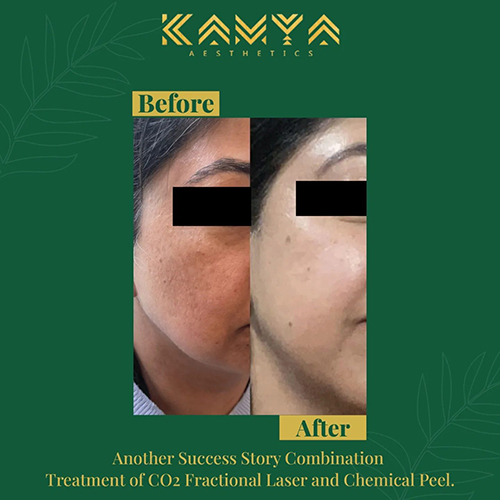
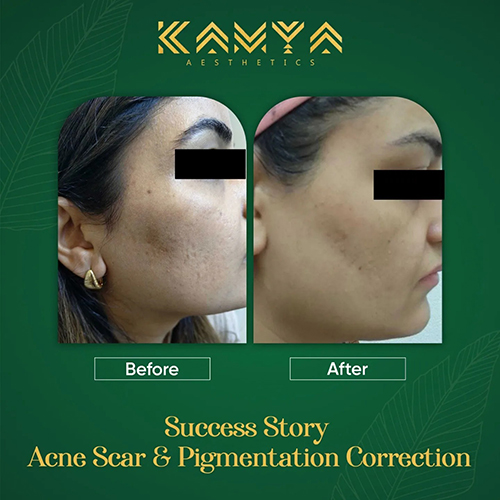
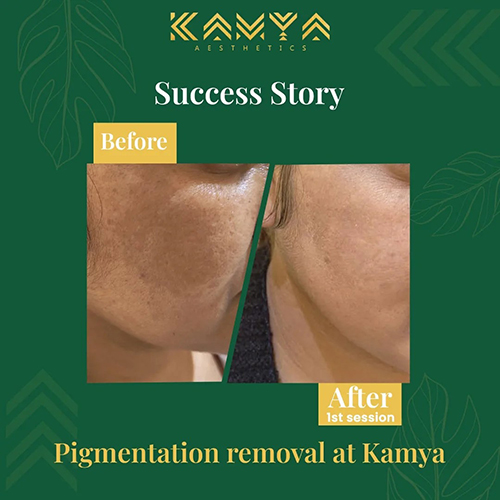

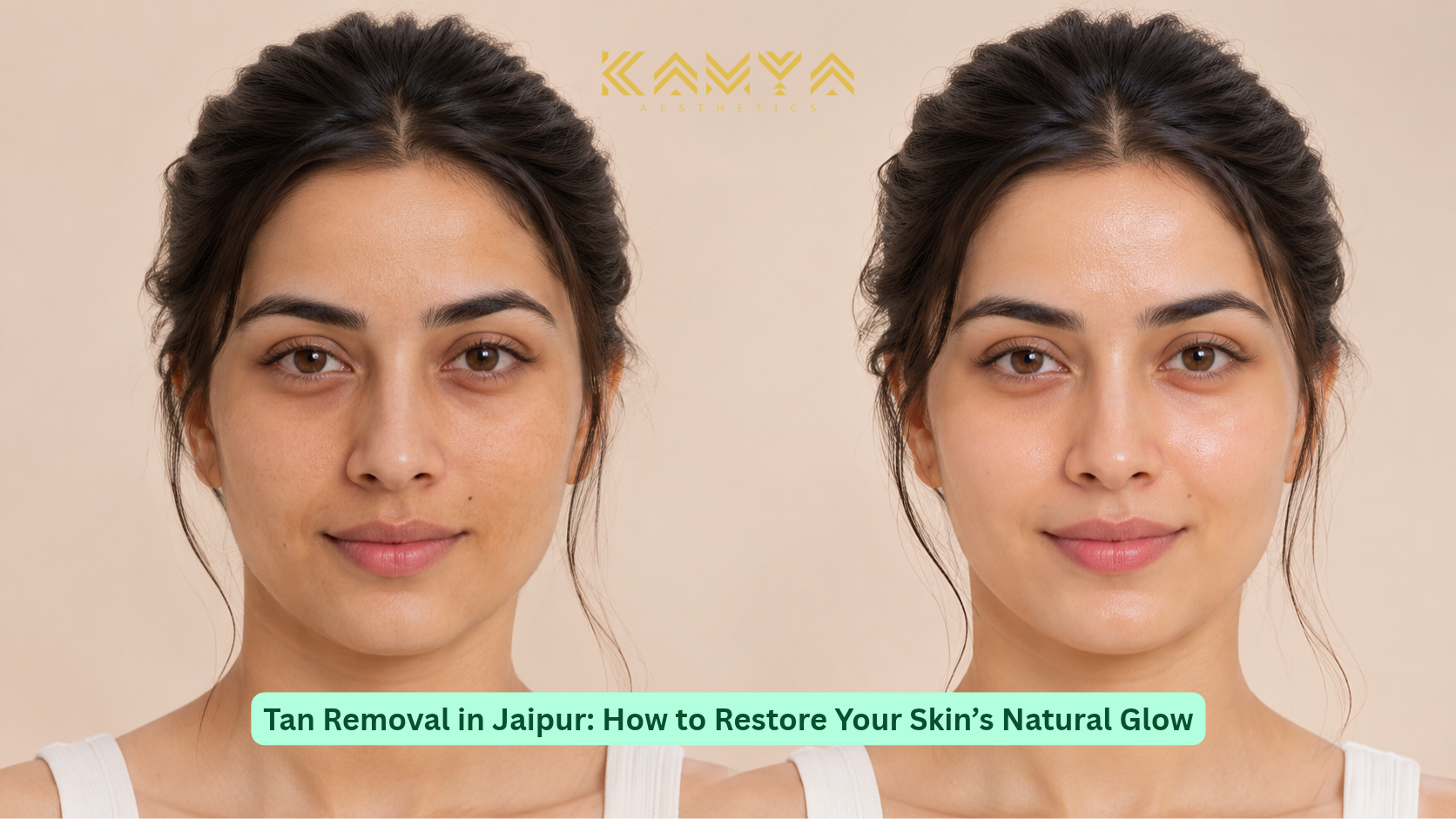
Have you noticed your skin looking darker, duller, or less even-toned than usual? Sun exposure, everyday outdoor activities, and existing pigmentation can all affect how your skin looks over time. If you are searching for tan removal in Jaipur, it is important to understand what causes tanning, how to care for affected skin, and which professional options may be suitable. Restoring a healthy-looking glow is not about changing your natural skin tone; it is about protecting your skin and addressing uneven pigmentation with the right approach.
1. Why Does Skin Become Tanned or Uneven?
Skin produces melanin, a natural pigment that contributes to its colour. When skin is exposed to ultraviolet (UV) radiation, melanin production can increase as part of the skin's protective response. This can make exposed areas appear darker. However, not every dark patch is simply a suntan. Uneven skin tone may also be associated with:- Sun exposure: Repeated exposure can contribute to tanning and dark spots.
- Post-inflammatory pigmentation: Acne, irritation, or skin injuries may leave darker marks after healing.
- Melasma: This condition can cause brown or grey-brown patches, often on the face.
- Friction and irritation: Repeated rubbing or unsuitable skincare products may contribute to discolouration in some areas.
2. Which Areas Are Commonly Affected by Sun Tan?
Tanning often becomes noticeable on areas that receive regular sunlight. Some areas may also develop uneven pigmentation because of friction, irritation, or other skin-related factors. Commonly affected areas include: Face: The forehead, cheeks, nose, and upper lip may develop uneven pigmentation after repeated sun exposure. Neck: The neck is frequently exposed outdoors and may show a difference in tone compared with covered skin. Arms and hands: These areas receive regular sunlight during daily activities, commuting, and outdoor work. Feet: Open footwear can leave exposed areas darker than the surrounding skin. Other body areas: Depending on clothing and sun exposure, the back, shoulders, and legs may also develop tanning. If pigmentation appears suddenly, changes in appearance, or does not improve, a professional skin assessment can help identify the underlying concern.3. How to Reduce the Appearance of Skin Tan at Home
A consistent skincare routine is a sensible starting point. While home care cannot remove every type of pigmentation, gentle habits can support the skin barrier and help prevent additional darkening.Use Sunscreen Regularly
Sun protection is one of the most important parts of managing tanning and pigmentation. Choose a broad-spectrum sunscreen with SPF 30 or higher and water resistance. Apply it to exposed skin before going outdoors and reapply approximately every two hours when outside, or after swimming or sweating. People concerned about visible-light-related darkening may also discuss tinted sunscreen containing iron oxides with their skincare professional.Keep Your Skin Moisturised
A suitable moisturiser helps maintain the skin barrier and reduce dryness. Choose a formula that suits your skin type, particularly if your skin is sensitive or easily irritated.Cleanse Gently
Use a mild cleanser rather than harsh soaps or aggressive scrubs. Over-cleansing can leave skin dry and uncomfortable, making it harder to maintain a consistent routine.Avoid Unverified Tan-Removal Remedies
Lemon juice, baking soda, strong DIY mixtures, and excessive scrubbing can irritate the skin. Irritation may make pigmentation more noticeable rather than improving it.Wear Sun-Protective Clothing
Sunglasses, hats, and lightweight clothing that covers exposed areas can reduce direct sun exposure. Seeking shade during stronger sunlight is also helpful.4. What Professional Options Can Help With Tan and Uneven Skin Tone?
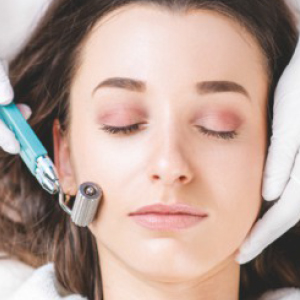
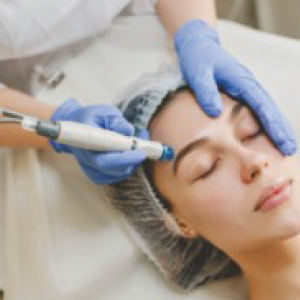
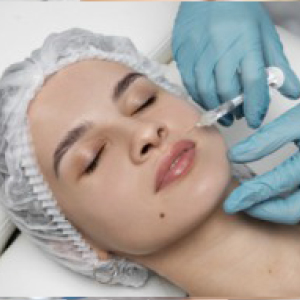
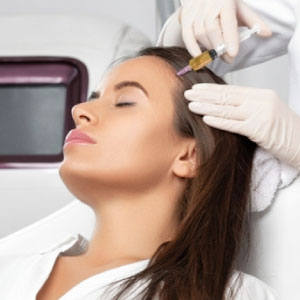
When home care is not addressing your concerns, professional skin treatments may be worth discussing. The appropriate option depends on whether the concern is tanning, pigmentation, acne marks, melasma, or another skin condition. Some aesthetic treatments focus on improving skin texture, hydration, and overall appearance, while other approaches may be considered for specific pigmentation concerns. Options that may be discussed during a professional consultation include: Hydra Facial: This facial treatment focuses on cleansing, exfoliation, and hydration. Whether it is suitable for skin with tanning or uneven tone depends on an individual assessment. Microneedling: This procedure uses fine needles to create controlled micro-injuries in the skin. It is used for selected skin concerns, but it is not suitable for every type of pigmentation and requires professional assessment. Facial Rejuvenation: Depending on the specific procedure, facial rejuvenation may address selected concerns related to skin appearance and texture. The exact treatment and expected outcome should be discussed beforehand. It is important to remember that no single facial or aesthetic procedure is appropriate for every pigmentation concern. Melasma and persistent dark patches, for example, may need a dermatologist-led treatment plan.5. How to Choose the Right Tan Removal Treatment in Jaipur
Searching for tan removal treatment Jaipur can bring up several facial and skin-care options. Before choosing one, consider whether the clinic explains the cause of your pigmentation and recommends an approach based on your skin rather than offering the same procedure to everyone. Here are some useful questions to ask:- Will my skin be assessed before treatment?
- Is the concern tanning, pigmentation, or another skin condition?
- Is the suggested procedure suitable for my skin type?
- What results are realistic?
- Are there possible side effects or recovery requirements?
- What aftercare will I need?
- Will I need multiple appointments?
6. How to Maintain a Healthy-Looking Glow After Treatment
Professional treatment is only one part of a long-term skincare routine. Daily habits can help protect the skin and reduce the chances of additional sun-related darkening.- Apply broad-spectrum sunscreen consistently.
- Reapply sunscreen when outdoors as directed.
- Avoid unnecessary direct sun exposure.
- Use skincare products suited to your skin type.
- Avoid picking, scratching, or aggressively exfoliating pigmented areas.
- Follow the aftercare instructions provided by your professional.
- Give your skin time to respond instead of frequently changing products or treatments.


